Antique Jewelry
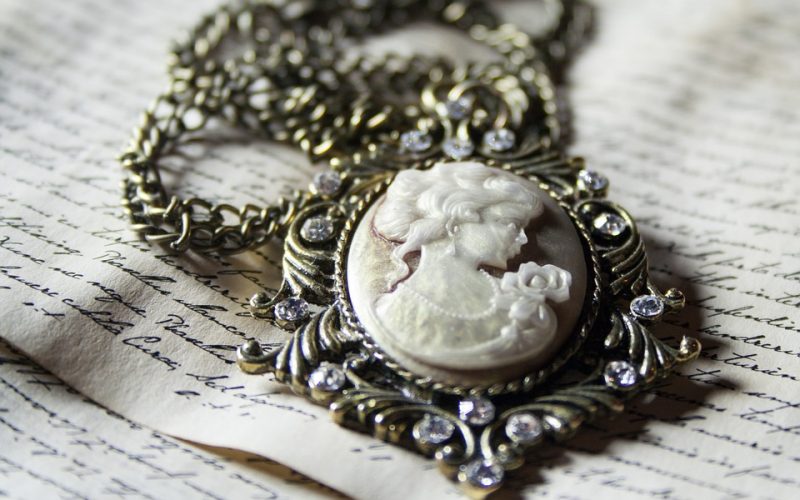
Antique jewellery carries a weight that modern pieces rarely match. Each item holds a personal history — a Victorian brooch worn to a royal banquet, an Art Deco ring slipped onto a finger in 1920s Paris. These pieces don't just accessorise; they connect the wearer to a moment in time, a craftsmanship tradition, and a story that no factory can replicate.
How antique jewellery is defined and dated
The term "antique" is more specific than many people realise. To qualify as a true antique, a piece of jewellery must be at least 100 years old. Items between 50 and 100 years old are typically referred to as "vintage," while anything more recent is simply considered "pre-owned" or "estate" jewellery. Understanding this distinction matters, particularly when buying or selling, as it affects both valuation and authenticity.
The most sought-after antique jewellery periods
Collectors and enthusiasts often organise antique jewellery by historical era, each with its own distinctive aesthetic. Georgian jewellery (1714–1837) is characterised by intricate metalwork and the use of gemstones like garnets, pearls, and topazes. The Victorian era (1837–1901) introduced sentimental motifs — lockets, mourning jewellery, and nature-inspired designs. Art Nouveau pieces (1890–1910) leaned into flowing, organic forms inspired by the natural world, whilst the Art Deco movement (1920–1939) embraced bold geometry, platinum settings, and diamonds. Each period tells a different story about the society that produced it.
What to look for when buying antique jewellery
Buying antique jewellery requires a careful eye. Hallmarks are one of the first things to examine — these small stamps, typically found on gold and silver pieces, indicate the metal's purity and, in many cases, its country and date of manufacture. UK hallmarks, for instance, are some of the most detailed in the world and can pinpoint the exact year a piece was assayed. Beyond hallmarks, look at the craftsmanship closely. Hand-cut gemstones, hand-engraved details, and evidence of age-appropriate wear are all positive signs of authenticity. Be cautious of pieces that look too pristine or uniform, as these may be modern reproductions.
The value of provenance
Provenance — the documented history of a piece — can significantly influence its value. A necklace once belonging to a notable historical figure, or a ring with a well-documented lineage, commands far more interest than an equivalent piece with no traceable history. When purchasing antique jewellery, always ask whether documentation or original receipts exist. Even partial records help establish credibility and provide a richer understanding of what you're acquiring.
Caring for antique jewellery
Preserving antique jewellery requires more thought than caring for contemporary pieces. Many antique items feature delicate settings, foiled gemstones, or fragile enamel that can be damaged by ultrasonic cleaners or harsh chemicals. Gentle cleaning with a soft cloth and mild soapy water is usually the safest approach. Storage matters too — keep pieces individually wrapped in acid-free tissue to prevent scratching, and store them away from direct sunlight or humidity. For significant pieces, a professional jeweller with specific experience in antiques is always worth consulting.
Why antique jewellery remains a worthwhile investment
Beyond their aesthetic appeal, antique jewellery pieces have proven to be a resilient and rewarding investment over time. Unlike mass-produced modern jewellery, antique pieces are finite in supply — no more Georgian mourning rings or Edwardian seed pearl brooches are being made. As demand from collectors worldwide continues to grow, well-preserved, authenticated pieces tend to appreciate steadily. For those who appreciate beauty with substance, antique jewellery offers something rare: an object that is as rewarding to wear as it is to own.